Your Fitness Journey this Ramadan
Stronger Than Yesterday:
Your Fitness Journey This Ramadan
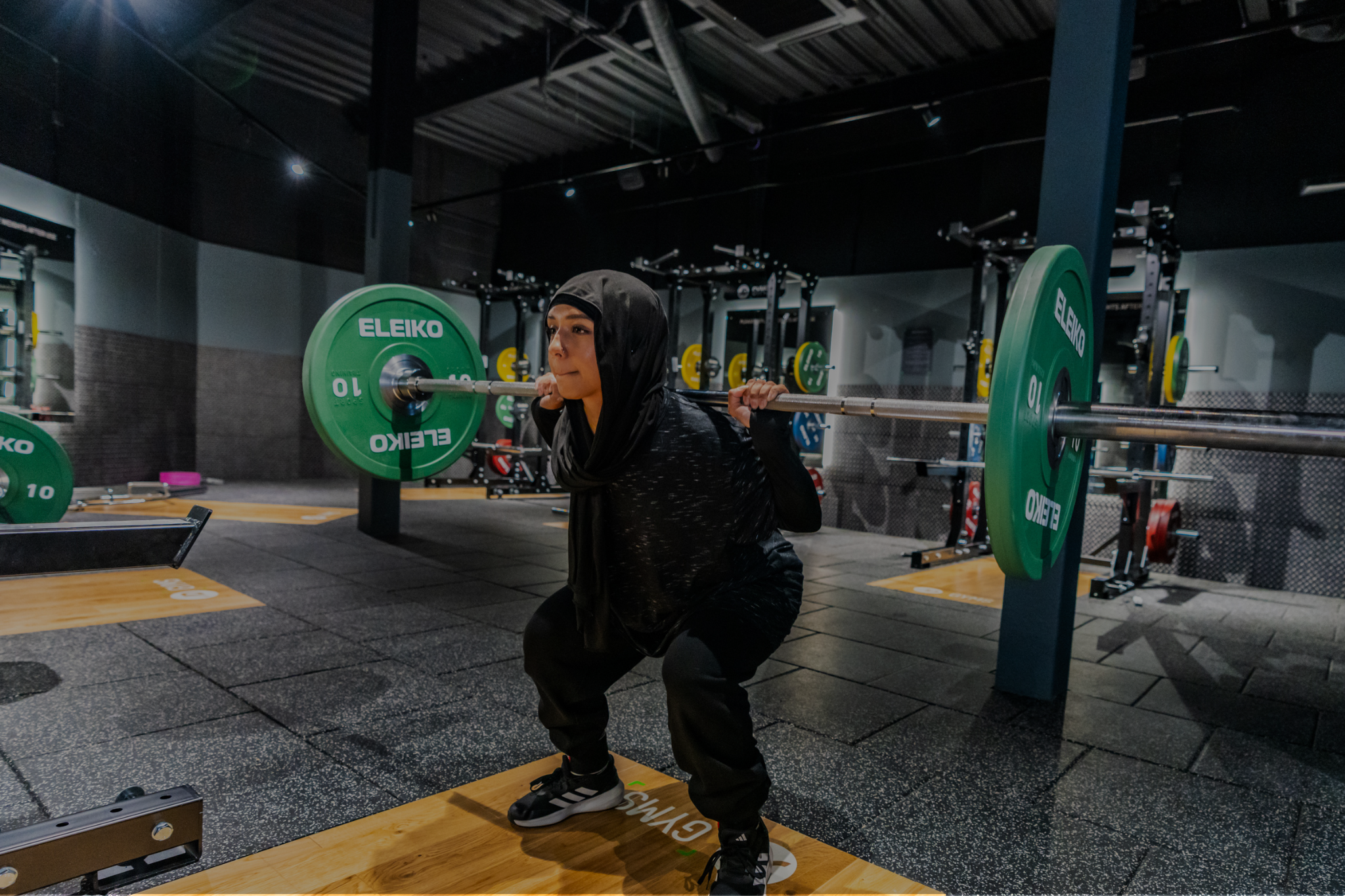
JD Gyms is here to support members observing Ramadan with safe, flexible training around-the-clock. From lighter evening classes after Iftar to pre-Suhoor sessions, and 24/7 access, we’ll help keep you moving in a way that respects both your fast and your goals.
Training Safely During Ramadan
1. Adjust Intensity and Volume
With adjustments to energy levels, hydration, and recovery, exercising during Ramadan can remain both safe and effective. Opt for moderate intensity on most days, saving higher effort for post-Iftar when your body has been fuelled. Prioritise technique and form over personal bests, and consider swapping high-impact workouts for a softer intensity alternative.
2. Choose Smarter Workouts
Love a strength workout? Consider upper/lower splits with compound moves, or a full-body session rather than targeting specific muscle groups. Or, if you’re in the mood for a session focused on the mind and body, Yoga and breathwork sessions can support recovery and sleep. Steady paced cardio is also a great option, working at a pace that feels comfortable for 15-30 minutes.
3. Respect Recovery
Sleep is a performance superpower, and it’s important to ensure you’re hitting the amount of sleep needed across 24 hours. Listen to your body during Ramadan, and take a nap if you need to. If a full workout feels too much, try to adjust your session using lighter weights or work at a slower pace – it’s fine to take a break every now and then.
Be mindful of your food intake post-Iftar, include protein, complex carbs and fluids to support recovery.
If you feel dizzy, nauseous, faint, or unusually short of breath – stop and recover. If symptoms persist, seek medical advice.
Hydration and Nutrition Tips
1. Stay Hydrated
Front-load fluids after Iftar and top up before Suhoor, aiming for water first before adding electrolytes if you’re training. Spreading fluids between Iftar and Suhoor will help avoid discomfort, aim for little and often.
2. Make Smart Food Choices
Break your fast with water and dates/fruit, then follow with a balanced meal rich in protein, carbs and fats. Chicken, tofu, legumes, rice, avocadoes and nuts/seeds are all great options to include at Iftar.
During Suhoor, consider overnight oats with milk or yoghurt as a way to start your day off strong.
3. What to Limit
Caffeine late at night or in the evenings can disrupt your sleep and recovery, and very salty foods should be avoided as they can elevate your thirst the next day. Spicy or heavy meals should also be avoided immediately before training.
Best Times to Train During Ramadan
1. After Iftar
Training 1-3 hours after your meal is optimal for strength and higher intensity sessions as you’ve rehydrated and refuelled. Plan longer sessions during this period if you’re chasing progress.
Or, give one of our classes a try after Iftar so you can train comfortably when fuelled. We offer a great selection of Ramadan-friendly evening classes at a wide selection of our gyms, including Yoga and plenty of light strength and low-impact conditioning classes.
2. Before Suhoor
If you’re looking to get a light to moderate session in, opt for training before Suhoor. Ensure to hydrate beforehand and plan your meal post-session if timing allows.
3. During Fasting Hours
If you choose to train whilst fasting, keep it short, light, and low risk. Prioritise mobility, walking, or light resistance. Try to avoid any aggressive conditioning sessions, and workouts that break a sweat.

24/7 and Multisite Access During Ramadan
Train when it works for you. During Ramadan you’ll get temporary access to selected 24/7 nearby clubs at no extra cost — so you can choose the most convenient location and time. This will be granted to you automatically, so you don’t need to do anything to activate your access to the 24/7 gyms.
Prefer to pause? If you would like to freeze your membership during Ramadan, you can do so completely free of charge. When your membership is frozen your monthly payments are paused and your access to the gym is temporarily suspended.
Share Your Journey!
Join the conversation and inspire others. We’ll feature selected member stories on this page throughout Ramadan.
Want to be featured? Tag us on Instagram or TikTok and share your routine, tips, or why training matters to you.
#JDGymsStrongerInRamadan
See you in the gym,